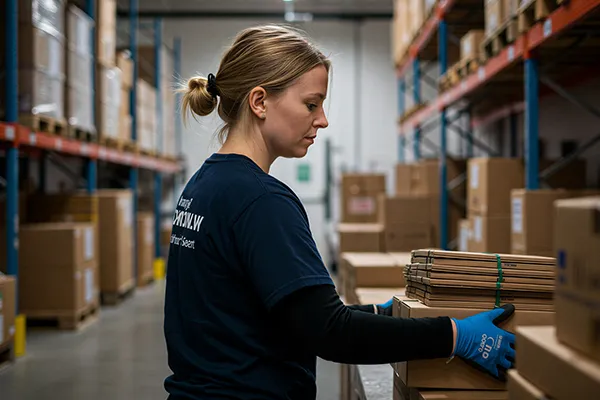
Used centralized sales and stock data to improve demand forecasting.

The company struggled to accurately predict product demand across locations. Sales data, seasonal trends, and current stock levels were stored in separate systems, making it difficult to create reliable forecasts.
As a result, some items were overstocked while others frequently ran out. Emergency reorders increased costs, while excess inventory tied up working capital and warehouse space. Planning teams lacked the visibility needed to make proactive, data-driven decisions.
The business implemented a centralized inventory and reporting system to support smarter demand planning.
Forecasts became more accurate and easier to create. Planners could align purchasing with real demand, reducing both shortages and overstock. Inventory levels stayed healthier across locations, and fewer urgent orders were needed. The company improved cash flow, reduced storage pressure, and created a more predictable supply chain.